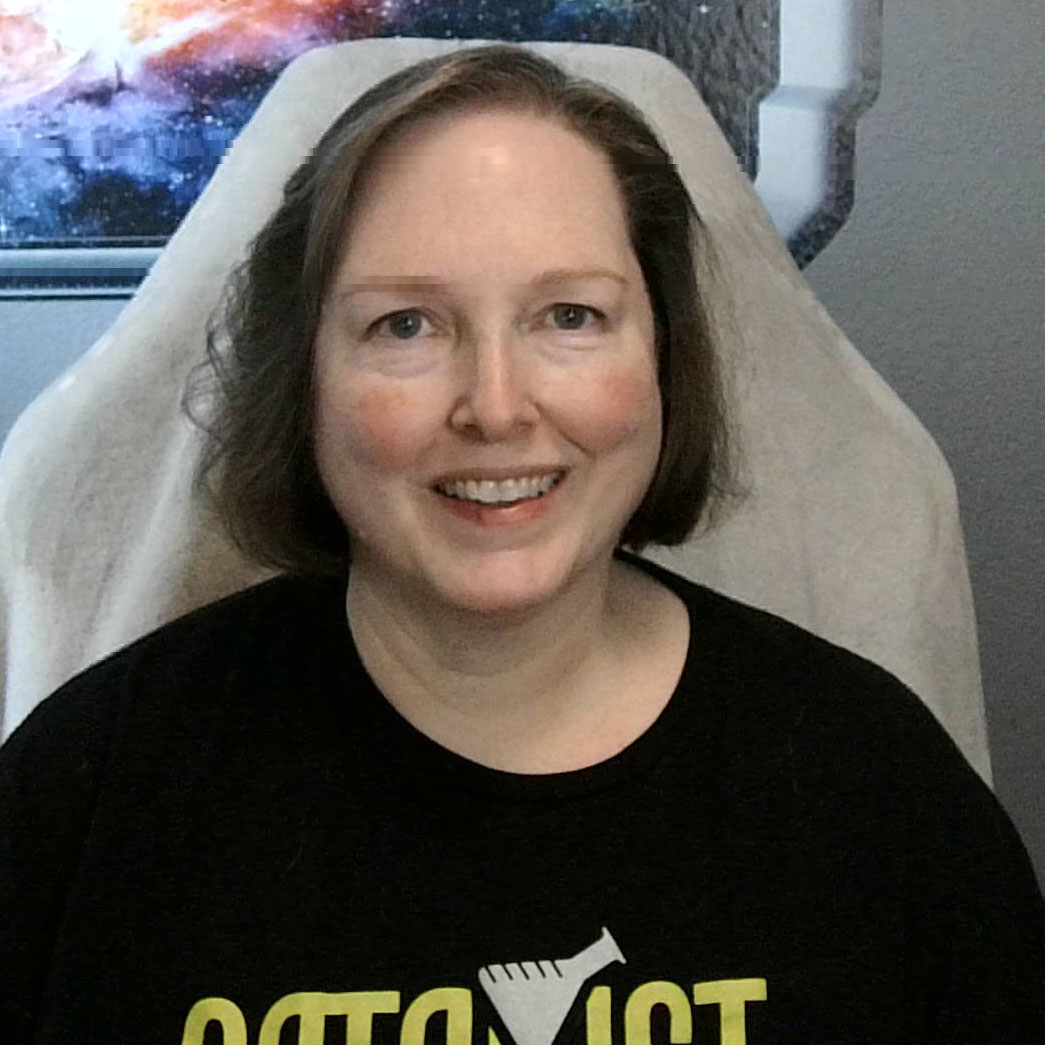
In today’s Tell Me, Alice Fitzpatrick introduces me to the concept of grieving non-events, also called non-finite grief.
 Mourning a Life that Never Was
When we’re young, we believe we have complete control over our lives. Everything we dream of achieving will happen, if for no other reason than we want it. We’re told good people are rewarded, so as long as we’re good, we’ll get the life we deserve.
But that isn’t how the universe works. At the age of nine, I decided I was going to be a ballet dancer. But after fifteen years of lessons, I finally had to accept that I had neither the talent nor the body required to dance professionally.
Years later, I was introduced to the concept of grieving non-events, also called non-finite grief, the grieving of things desired but never achieved. My disappointment and resentment now had a name.
It’s hard to accept that we’ve been denied the life we so desperately want. Valentine’s Day and Mother’s and Father’s Days come around every year to remind us that we are alone and/or childless, and how unfair it is that everyone else seems to be celebrating what we can’t.
While friends and family might be inclined to tell us to buck up and get over it, it’s not that simple. We have to go through a grieving process as painful as the loss of a loved one, because we have lost a loved one. We’ve lost that part of ourselves that was going to be a parent or homeowner, marine biologist or dancer.
In A Dark Death, the second book in my Meredith Island Mystery series, my amateur sleuth, Kate Galway, shares with her best friend her dream of becoming a university professor. “I had a whole different life planned out for myself. I was going to get my doctorate and teach English to people who not only knew George Eliot was a woman, but had read all her books and could discuss them with some reasonable degree of insight.” But while finishing her Master’s degree, Kate became pregnant. When her daughter was born, she gave up her graduate studies and taught high school to help support her family. Not becoming a university professor is Kate’s non-event.
Instead of moving on, Kate has held onto her grief for almost thirty years. In her mind, she settled for a career which is second-best, and therefore she is second-best. Those who can’t do, teach, and those who can’t teach university, teach spotty, moody adolescents, she believes.
When she meets a visiting archaeology professor, Kate learns about the often ruthless competition and politics of the job. “It isn’t all Jane Austen conferences, believe me,” she is cautioned. Later, her friend tells her that there is no guarantee she would have been happy teaching university, and that she could just as easily have spent her life wishing she’d taken a high school job instead. It’s then that Kate realizes that the perfect life she envisioned is a fantasy, and she can begin to heal.
How do people grieve their lost selves? “Grieving the Life You Expected: Non-finite Grief and Loss,” posted on the What’s Your Grief website, lists some actions you can take. These are my favourites. I hope they help.
- Acknowledge the loss. As previously stated, not becoming the person you wanted to be is a tangible loss and needs to be accepted.
- Practice dialectical thinking. Because one thing didn’t happen, that doesn’t mean that everything is wrong about your life. Dialectical thinking is recognizing that two opposing ideas or situations can be true at the same time, allowing you to find joy in the life you’re currently living. When I feel disheartened, I write a gratitude journal in which I list five good things that happened each day. It can be something as simple as the bus coming on time or having remembered my umbrella so that I stay dry on the way home. In this way, I focus on the positive things in my life.
- Explore your personal ideals and fears. Look at who you were when you decided what your life should look like. Examine where these expectations came from, why they were important, and how they affected how you understood your world, or still do.
- Reconstruct your identity. Connect to the person you are now, and celebrate both the successes you’ve made and who you can be going forward.
- Practice tolerating uncertainty. Recognize that life is not only uncertain, but much more complicated that you imagined. Develop the skill of successfully dealing with uncertainty.
- Redefine hope. Holding onto the hope that one day a miracle will happen to make your old dreams come true will only prevent you from moving on. Along with reconstructing your identity, find ways to embrace your new reality and hopes for your future life.
—
Alice Fitzpatrick has contributed various short stories to literary magazines and anthologies and has recently retired from teaching in order to devote herself to writing full-time. She is a fearless champion of singing, cats, all things Welsh, and the Oxford comma. Her summers spent with her Welsh family in Pembrokeshire inspired the creation of Meredith Island. The traditional mystery appeals to her keen interest in psychology as she is intrigued by what makes seemingly ordinary people commit murder. Alice lives in Toronto but dreams of a cottage on the Welsh coast. To learn more about Alice and her writing, please visit her website at www.alicefitzpatrick.com.